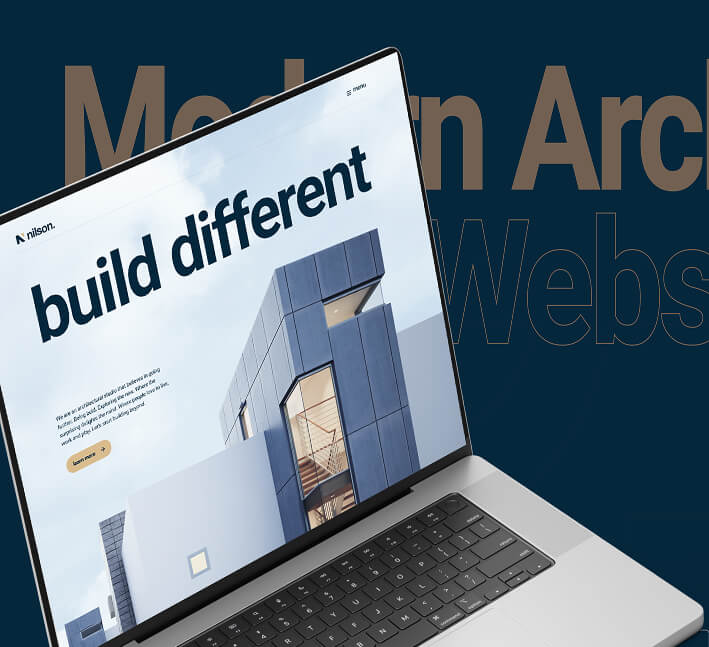
Nilson is a sleek and sophisticated website template crafted specifically for modern architecture studios. Designed with clean lines and minimal aesthetics, the goal was to reflect the refined elegance of architectural craftsmanship while ensuring an effortless browsing experience.
PROBLEM
Architecture firms often face the challenge of showcasing their portfolios online in a way that feels both premium and easy to navigate. Many existing templates are either overly complex or visually underwhelming.
CHALLENGES
We needed to create a template that balances form and function. That meant:
Ensuring visual elegance without sacrificing performance.
Designing a modular layout adaptable to different types of architecture firms.
Creating an intuitive user experience across all devices.
OUR SOLUTION
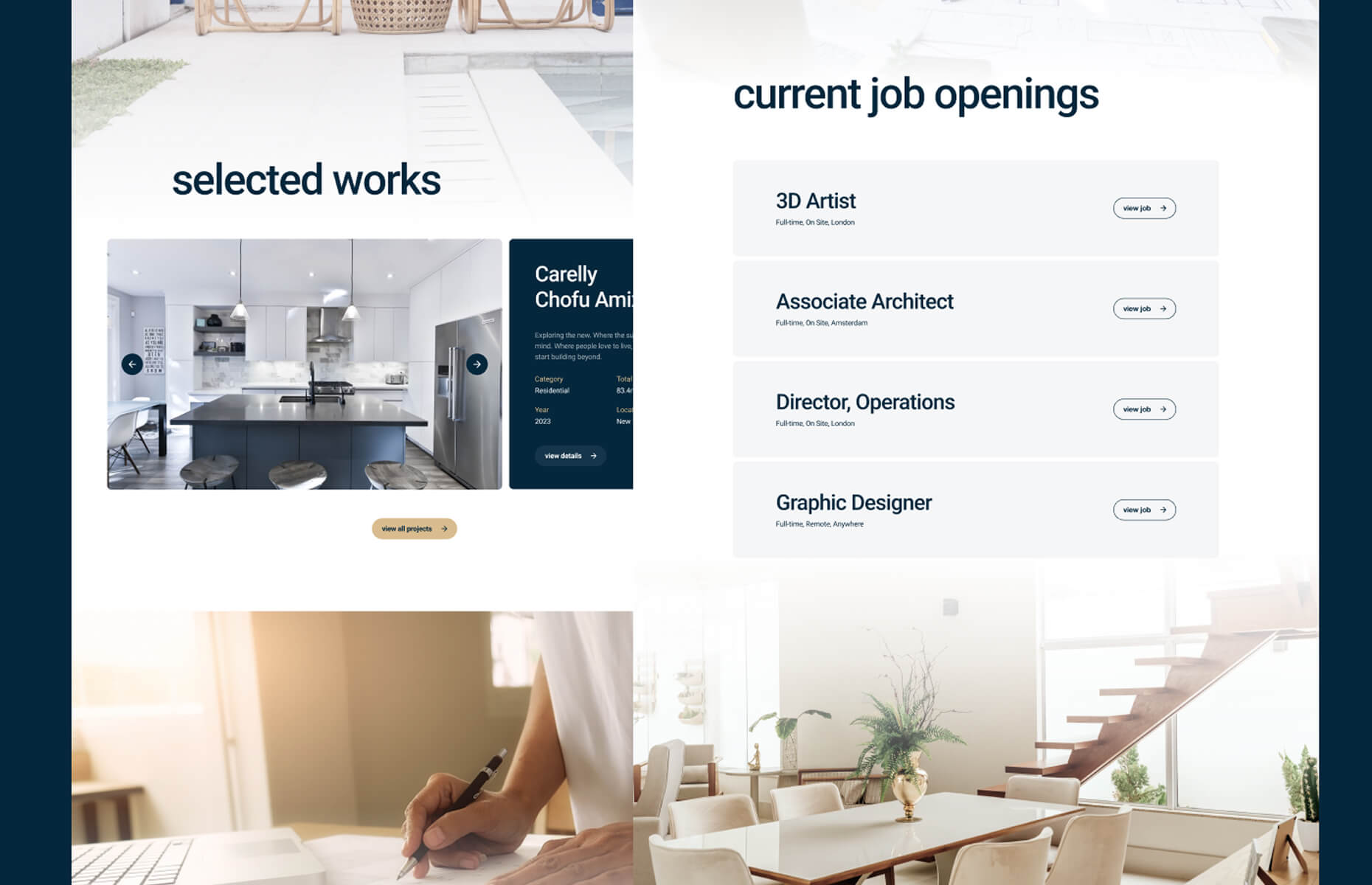
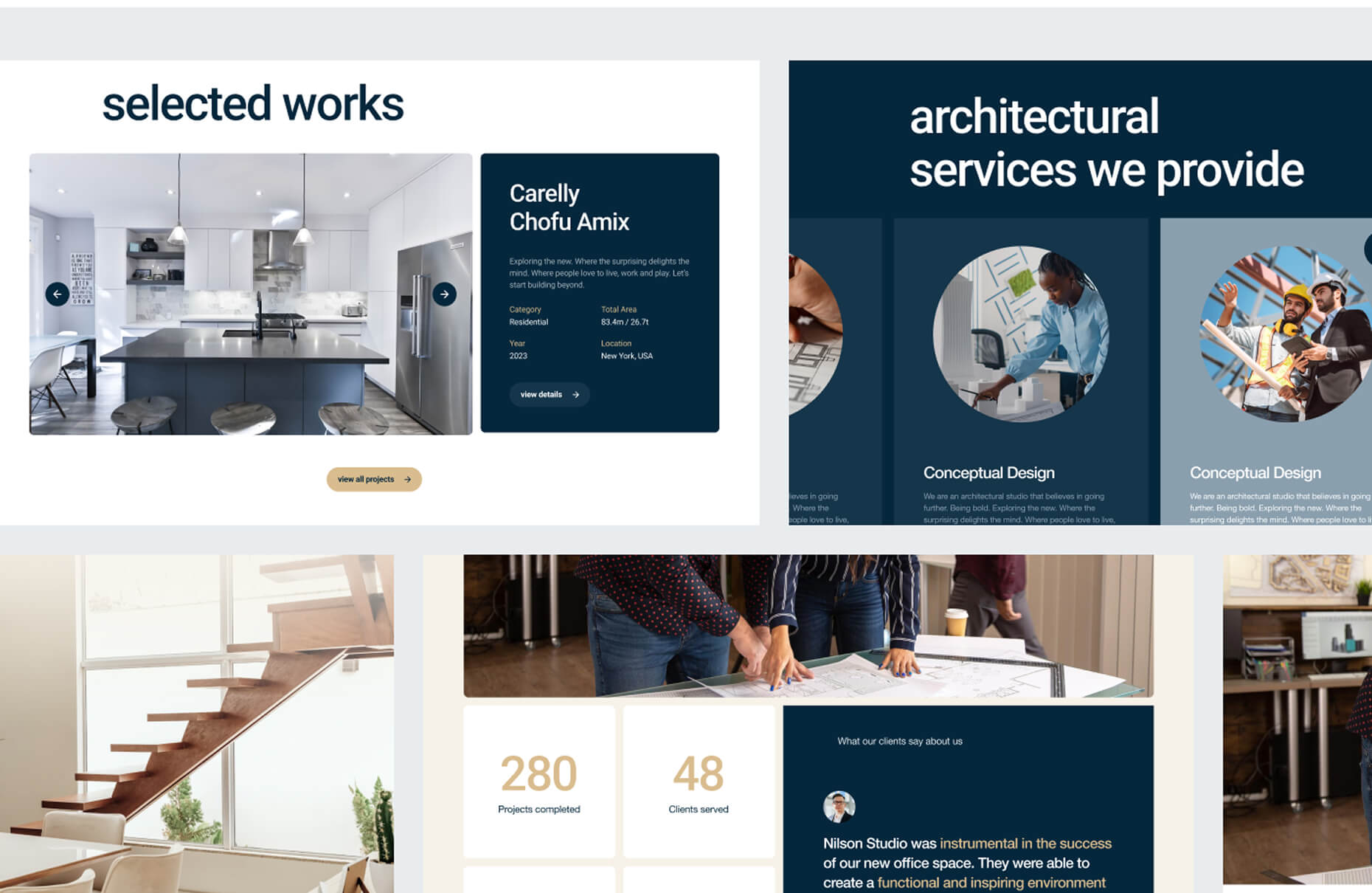
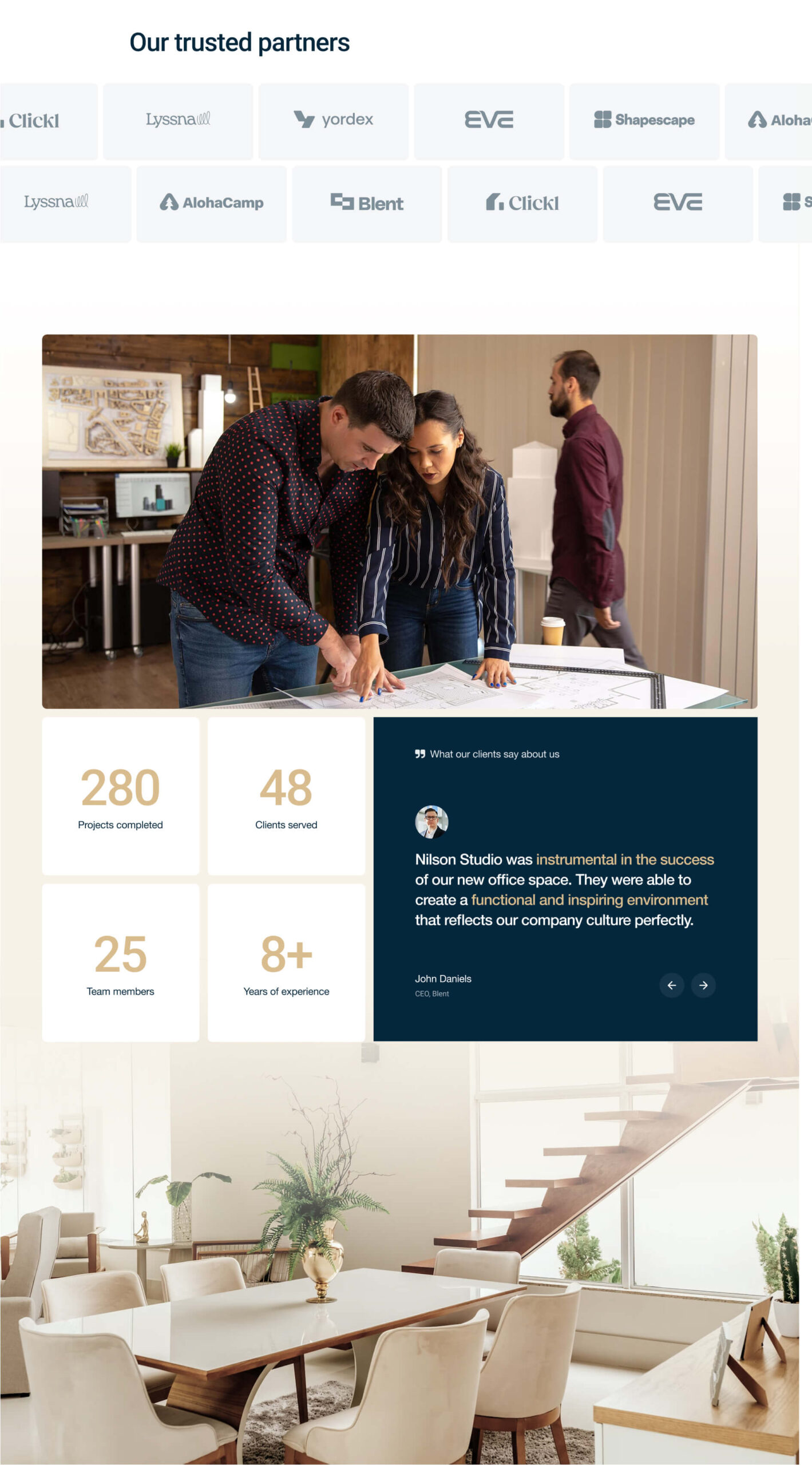
We built a responsive website that highlights architectural visuals while keeping content structured and clean. The homepage showcases key projects, while inner pages allow for storytelling, team intros, and service explanations. The design system includes modern typography, grid-based layouts, and elegant transitions.
Design Process
Research
We studied the digital behavior of architecture clients, identifying key patterns in how they browse portfolios and evaluate design credibility.
Design
We crafted a layout that merges bold imagery with white space and soft interactions. The design supports strong branding and content flexibility.
Testing
Interactive prototypes were tested across various screen sizes. We refined the navigation experience, ensuring fast load times and intuitive flows.
Feedback
Client and peer reviews helped shape final visual choices, including image ratios, type hierarchy, and iconography.
Style guide & components
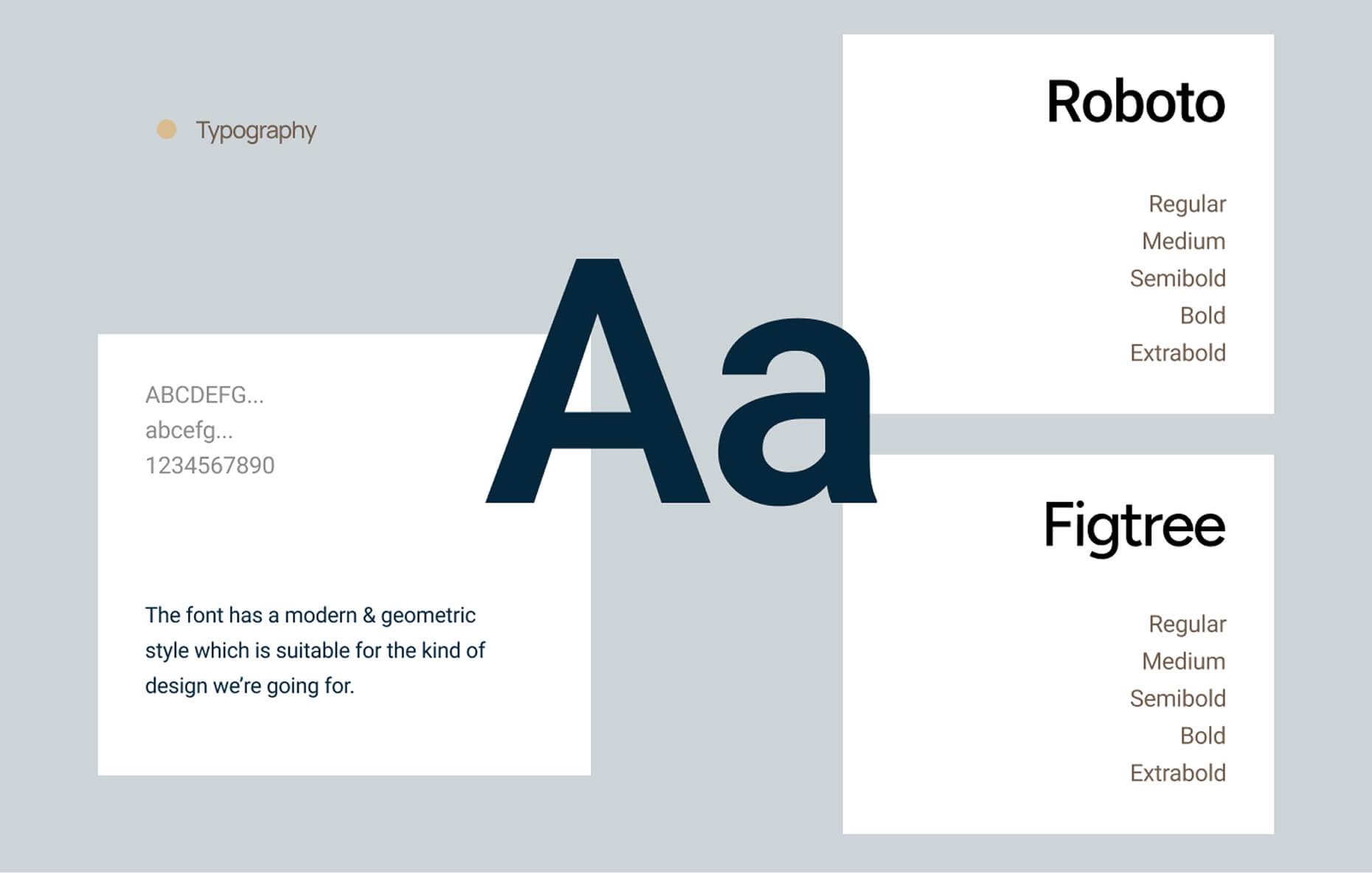
We created a streamlined UI kit, using muted tones, sans-serif typography, and spacious layouts. Reusable components—like project cards and contact forms—ensure consistency throughout.
Visual presentation
We created a streamlined UI kit, using muted tones, sans-serif typography, and spacious layouts. Reusable components—like project cards and contact forms—ensure consistency throughout.
user experience
Full-width imagery, subtle hover effects, and parallax sections add depth without distraction. We focused on making the visuals speak for themselves.
what the client said about the project
We’re super excited about how the Nilson website project turned our brand vision into a bold digital presence. The experience feels intuitive and premium—just what we needed to impress both clients and stakeholders.